Leadership that defeats people is not leadership
John’s definition is blunt for a reason: if people walk away feeling torn down, overrun, or unable to win, the leader is not building performance. They are creating drag.
HR Talks Episode 2
Heather and Cara are joined by John Menchesky to unpack a leadership pattern that feels obvious once it is named: leaders who swoop in, tear things up, issue directions without context, and leave teams feeling defeated instead of supported. The episode is really about engagement, ownership, and what leaders accidentally destroy when they lead above people instead of through them.
TL;DR
John’s definition is blunt for a reason: if people walk away feeling torn down, overrun, or unable to win, the leader is not building performance. They are creating drag.
Heather reframes the issue around engagement: when leaders ask better questions and let people participate in solutions, ownership rises. When leaders skip that step, people disengage.
This episode highlights how mid-level leaders and managers often carry the brunt of top-down disruption. They get hit from above, then try to buffer teams below.
Audience
This episode is especially useful for owners, CEOs, plant leaders, operations executives, and HR leaders who are trying to build accountability without creating a culture of drive-by direction, reactive pressure, or silent disengagement in middle management.
Highest-Leverage Lessons
The leaders who do this often believe they are protecting the business or speeding things up. The episode argues the opposite happens: they create confusion, resentment, and inconsistent execution.
Heather’s core leadership principle in this episode is simple: ask questions, do not start with answers. People own the solutions they help shape.
Cara and Heather both point out that leaders rarely see themselves as the problem. Without humility and self-awareness, the pattern keeps repeating because the leader mistakes control for effectiveness.
Episode Notes
John explains seagull leadership as the leader who swoops in, makes assumptions, drops directions, tears apart what is happening, and leaves people feeling defeated. That clarity matters because many organizations feel the effect before they have language for it.
Heather reframes the issue as a lack of engagement. Leaders who work through people ask where the work stands, what obstacles exist, and where support is needed. Leaders who work above people skip all of that and create distance instead.
John’s response to the fear behind top-down behavior is to build structure, not more noise. If leaders are afraid of failure, they should create guard rails and teach teams how to fail small, learn, and escalate when a decision becomes materially risky.
The conversation repeatedly comes back to the middle layer. This is often where the damage lands hardest. These leaders absorb pressure from the top, then try to protect and translate for the teams below them.
The episode closes on an important leadership insight: when senior leaders tell real stories about how they had to change, it humanizes leadership and builds credibility. Vulnerability from the top travels through an organization much faster than performative values language.
Action Steps
Pitfalls
FAQ
It is the style where leaders swoop in, make assumptions, drop directions, criticize what is happening, and leave the team to deal with the mess rather than building understanding and ownership.
In the conversation, John sees them as effectively the same pattern: leaders dropping stress, demands, or direction without real engagement and then disappearing.
By asking questions, listening, and helping teams arrive at solutions they can own. Heather is explicit that buy-in comes from questions, not from handing people answers.
Mid-level leaders and managers often absorb the worst of it because they are close enough to the work to feel the disruption and close enough to the top to get hit with the shifting direction.
Hosts & Guest

Founder and principal consultant of HM Pinnacle Consulting. Heather connects leadership behavior back to practical people-systems decisions and organizational trust.

An HR operator with experience across the employee life cycle. Cara brings the implementation lens and the very practical “what does this feel like for the team?” perspective.
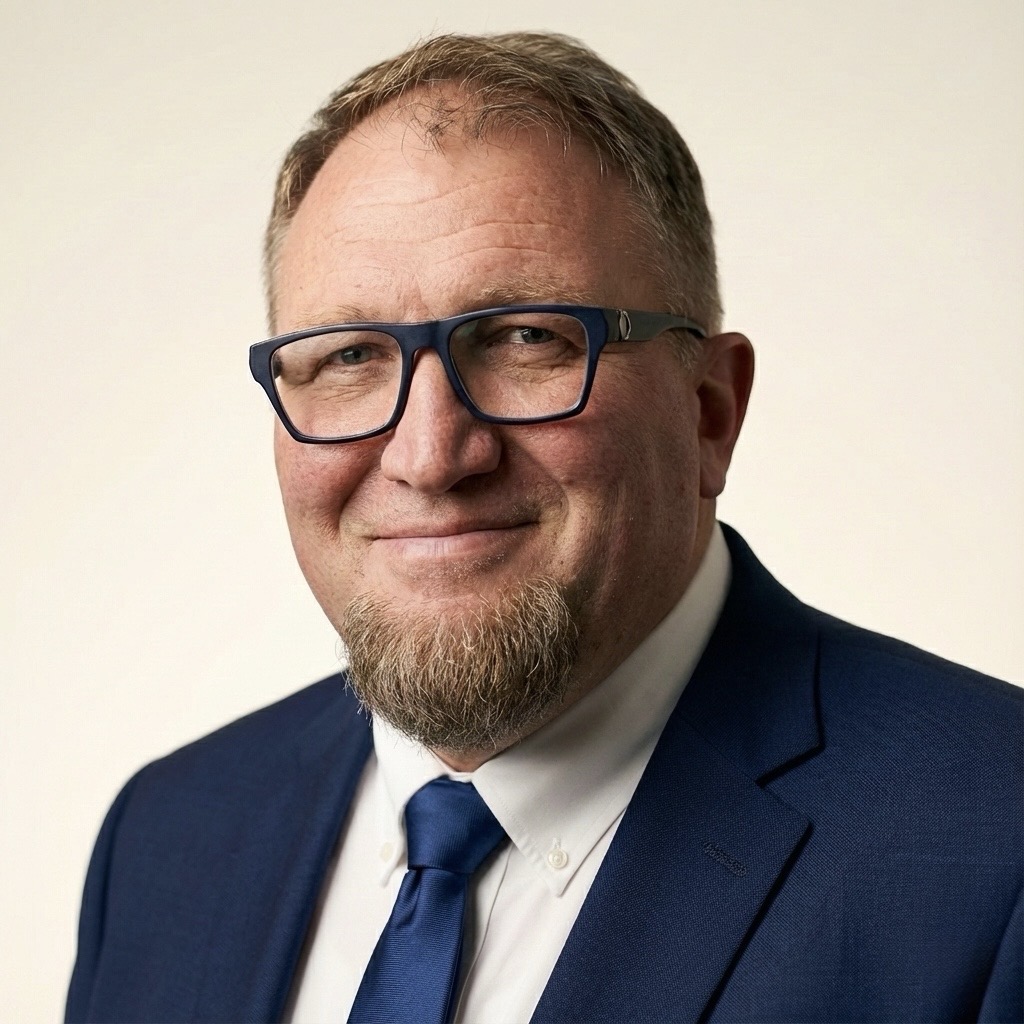
An operations leader with roughly 25 years of experience helping develop leaders and grow organizations. John brought the seagull leadership topic into the series from real operational frustration.
If your organization is dealing with leadership friction, middle-manager fatigue, or inconsistent execution from the top down, this is exactly the kind of operating problem HM Pinnacle helps untangle. Explore the series or schedule a conversation.