People operations for growing manufacturing companies includes more than policies, hiring workflows, and supervisor training. It includes the credibility signals candidates and employees use to decide whether the company is serious about its workforce. For HR leaders at growth-stage manufacturers, a LinkedIn profile is not a digital resume. It is part of the company's recruiting surface and a live signal of credibility to candidates, vendors, peers, and executives.
Top 3 Leverage Points
- People are looking before they apply: candidates, vendors, peers, and executives scroll the HR leader before any meaningful conversation. The profile is the first impression.
- Manufacturing HR is brand-starved on LinkedIn: a clear, specific, results-oriented presence stands out fast in an industry where most HR leaders treat the profile as a resume.
- The HR leader is part of the talent brand: the profile signals what the company actually values about its people work, which shapes who applies, who refers, and who accepts.
Why This Matters for People Operations in Growing Manufacturing Companies
HR leaders spend a lot of time talking about employer branding, candidate experience, and talent strategy. The truth is, if your own LinkedIn profile is outdated or underutilized, you are missing a powerful opportunity to lead by example and open doors for your own credibility, your team, and your company.
Whether you are in HR, talent acquisition, DEI, or people operations at a growth-stage manufacturer, your profile is not just a digital resume. It is a live reflection of professional credibility, leadership presence, and strategic voice in the people space. This article connects that reality to a manufacturing context, where recruiting in 100–250 employee organizations and across borders depends on whether the HR leader is findable and credible at a glance. It complements Heather MacKay-Mencheski's HM Pinnacle work on the people-centered leadership framework and the case for HR as a growth lever.
HR Leaders, People Are Looking at You
Whether you are hiring, building culture, or driving change, people search you first. Candidates, vendors, peers, and executives all glance at your LinkedIn before that meeting, that panel, or that pitch. In manufacturing, that pattern intensifies. The HR leader at a 100–250 employee plant is often the most public-facing people decision-maker, and the most visible signal of how the organization treats its workforce.
If your profile is not up to date, you risk sending the wrong message about your relevance, readiness, or reach as a people leader. For a growing manufacturer trying to recruit operators in a tight market, that mismatch is not abstract. It shows up as longer time-to-fill, higher candidate ghosting, and fewer referrals at exactly the moment the company needs more.
Opportunity in HR Does Not Always Knock, It Scrolls
Some of the best opportunities in HR do not come from applying to a posted role. They come from being found. Strong manufacturing HR leaders get tapped for things their resume would never reach.
- Corporate board positions looking for CHRO-level expertise in industrial environments.
- Conference panels and keynote speaking slots on workforce stability, supervisor development, or cross-border HR.
- Inclusion in industry research, trade-association reports, and thought-leadership collaborations.
- Strategic partnerships and cross-functional innovation projects across plants, regions, and supply chains.
All of those happen because someone saw a strong, clear, current presence on LinkedIn and reached out. The profile becomes the door. A weak profile keeps the door closed, even when the leader behind it is doing exceptional work on the floor.
In manufacturing, the HR leader is often the most public face of how the company treats its workforce. The profile becomes the door, and a closed door costs more than most leaders realize.HM Pinnacle Consulting
You Are the Talent Brand for the Plant
HR leaders spend so much time coaching others to polish their LinkedIn and strengthen the employer brand. Honestly, our own profiles are often the last to get attention. That gap matters more in manufacturing, where employer brand is rarely loud, candidates rely on signals that are easier to find, and the HR leader is often the most accessible representation of what working there feels like.
When your profile is current, specific, and results-oriented, several things happen at once. Candidates feel more confident before they ever apply. Internal referrals get easier to make because employees can point friends and family to a credible profile. Operations leaders inside your own company quietly raise their estimate of HR's strategic value. And vendors, peers, and partners treat you as someone worth bringing into bigger conversations.
| Profile area | Generic HR profile | People operations credibility signal | Why it matters in manufacturing |
|---|---|---|---|
| Headline | Lists only title and company. | Names manufacturing, workforce stability, supervisor development, or growth-stage HR ownership. | Candidates and executives understand the kind of people system the HR leader is building. |
| About section | Reads like a resume summary. | Explains the leader's point of view on hiring, retention, culture, and plant-floor leadership. | The profile becomes evidence of how the company thinks about people, not just compliance. |
| Experience | Lists responsibilities such as employee relations, recruiting, and benefits. | Shows outcomes: reduced turnover, faster onboarding, stronger supervisor rhythm, safer expansion. | Results help candidates, referrals, and operators trust that HR is connected to real work. |
| Featured proof | No featured media or only generic company posts. | Includes talks, articles, initiatives, case examples, or workforce stability resources. | Manufacturing people work is often invisible until the leader makes it visible. |
Five Upgrades Manufacturing HR Leaders Can Make This Week
None of these require turning yourself into a content creator. They turn the profile into a working asset.
- Rewrite your headline to go beyond your title. Show the impact and the kind of people work you do. For example, an HR leader at a 100–250 employee manufacturer might frame industry, organizational stage, a specific result, and what they actually own such as workforce stability, supervisor development, or cross-border HR.
- Add rich media to your profile. Slides from an HR or operations summit, a workforce stability initiative, a supervisor development case, or a podcast interview. Manufacturing HR work is often invisible until it is shown.
- Highlight results, not responsibilities. Do not just say "led engagement programs." Show the percentage retention improvement, the reduction in time-to-productivity, the cross-border expansion you supported, or the cost saved through a stability redesign.
- Feature your voice. Articles, interviews, recorded talks, or even thoughtful comments that show how you think about people and culture in industrial environments. Manufacturers are searching for HR leaders who understand the plant, not just the policy.
- Make it easy to find you. Use real industrial and people operations terms in your About and Experience sections: workforce stability, supervisor development, plant-floor leadership, cross-border HR, manufacturing onboarding, talent retention, employee relations. Search-friendly language is recruiting-friendly language.
Your Profile Is a Strategic HR Asset
You already know people decisions are driven by perception and connection. Your LinkedIn profile is a strategic asset, not just for you, but for how your organization is seen through its leaders. Treat it that way and the return shows up across recruiting, partnerships, internal credibility, and the personal optionality that comes with being known for your real work.
In manufacturing, that translation is especially direct. Candidates considering a role at your plant want to know who is behind the people decisions. Operations leaders watching the HR function from a distance want to see a strategic partner, not a back-office administrator. Peers across the industry want to know who actually understands shift work, supervisor development, and cross-border realities. Your profile is doing all of that work, whether or not you have given it attention this year.
Where This Breaks
- The headline is just the title, with no industry, stage, or impact signal.
- The About section reads like a job description rather than a point of view on people work in manufacturing.
- The Experience section lists responsibilities instead of measurable outcomes leaders care about.
- There is no Featured section, so a candidate or peer cannot quickly see proof of work.
- The profile is updated only when the leader is between roles, signaling that it is a job-search tool rather than a strategic asset.
- Industrial and people operations keywords are missing, so search and recruiter visibility are weaker than they should be.
Key Takeaways
- People operations for growing manufacturing companies includes the credibility signals candidates, employees, vendors, and executives use to judge the organization.
- Your LinkedIn profile is a live reflection of professional credibility, leadership presence, and strategic voice. It is not a static resume.
- People search you first. Candidates, vendors, peers, and executives all check the HR leader before the meeting, the panel, or the offer call.
- In manufacturing, the HR leader is often the most public face of the people system. A weak profile sends the wrong message about the operation behind it.
- Opportunity in HR does not always knock. It scrolls. Boards, panels, partnerships, and research opportunities go to leaders who are findable and credible.
- You are part of the talent brand. The profile shapes who applies, who refers, and who accepts.
- Five upgrades cover most of the gap: rewritten headline, real rich media, results-focused experience, featured voice, and search-friendly language.
- Treat the profile as a strategic asset and update it on a steady cadence rather than only between roles.
FAQ
Why does an HR leader's LinkedIn profile matter at a growth-stage manufacturer?
Because candidates, vendors, peers, and executives look you up before the meeting, the panel, or the offer call. In a tight industrial labor market, the HR leader is often the first signal of credibility a candidate sees, and a weak profile sends the wrong message about the people system behind the role.
What should a manufacturing HR leader put in their LinkedIn headline?
Move beyond the title. Show impact and the kind of people work you do. For a growing manufacturer, that often means industry context, the size or stage of organization you support, a specific result, and what you actually own such as workforce stability, supervisor development, or cross-border HR. The goal is to be findable and credible at a glance.
How does HR LinkedIn presence affect recruiting in manufacturing?
Operators, technicians, supervisors, and corporate hires all search the HR leader before applying or accepting. A current, specific, results-oriented profile shortens decision time, reduces ghosting, and makes referrals easier. A neglected profile creates friction at exactly the point you want momentum.
What is the difference between an HR resume and an HR LinkedIn profile?
A resume is a static record submitted when you apply. A LinkedIn profile is a live, public reflection of professional credibility, leadership presence, and strategic voice. For a manufacturing HR leader, it is also part of the company's recruiting surface area, which is why it should be treated as a strategic asset rather than a digital resume.
How often should an HR leader update LinkedIn?
At least quarterly for content, headline, and featured items, plus updates after any meaningful project, certification, or speaking event. Steady updates are more valuable than occasional overhauls because they signal that the leader and the organization are actively engaged in their people work.
Do HR leaders at growth-stage manufacturers really need to post on LinkedIn?
Posting is optional. Being findable and credible is not. A strong profile, thoughtful comments, and a featured section showing real work can do most of the lift. Daily content is not required to convert LinkedIn into a recruiting and credibility asset.
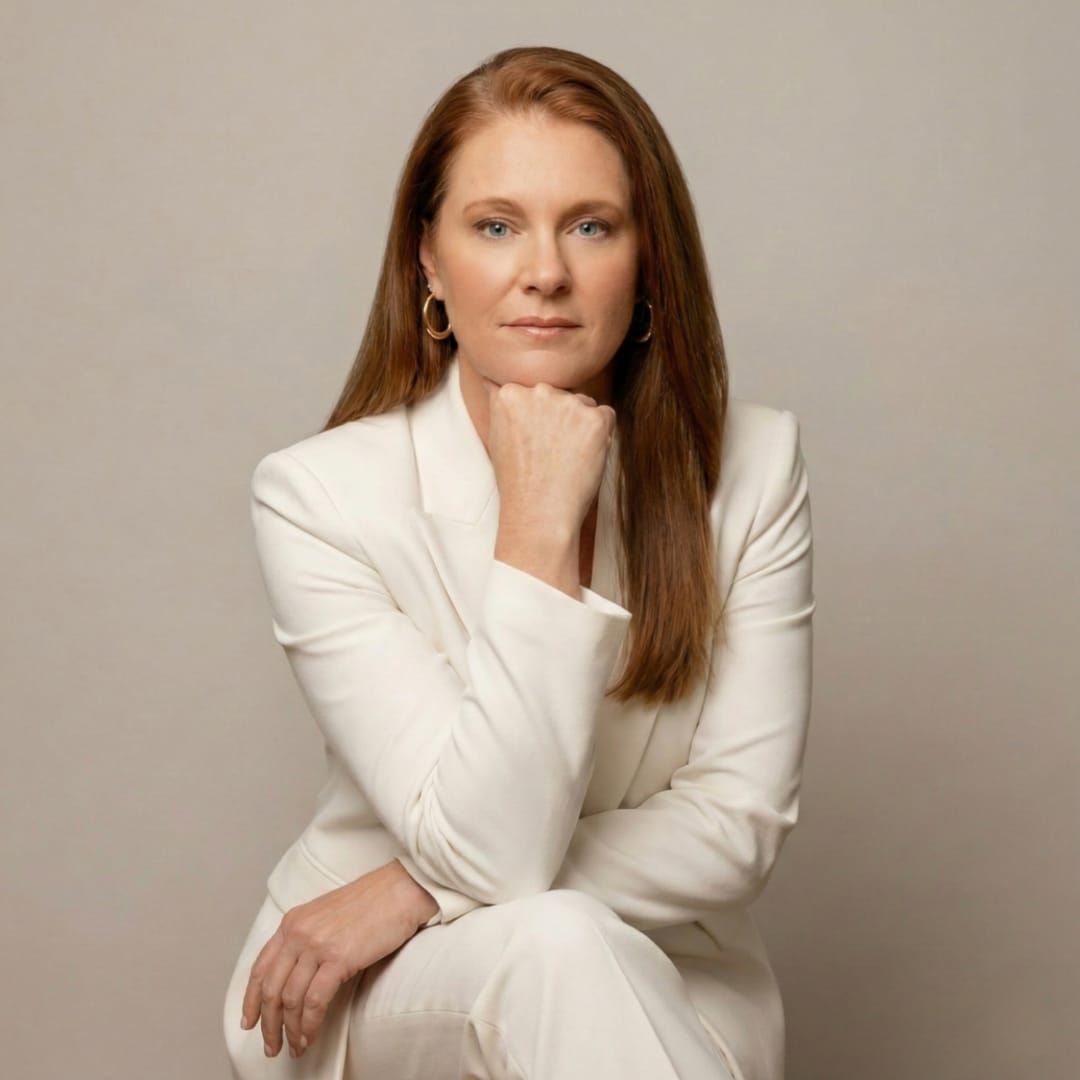
Heather MacKay-Mencheski builds people operations infrastructure for growing manufacturing and aerospace organizations, especially companies navigating the 100–250 employee stage, increased production, cross-border growth, and supervisor capability gaps. Through HM Pinnacle Consulting, her work focuses on workforce stability, HR systems, leadership development, and the people decisions industrial leaders have to get right.
Connect on LinkedIn →If your organization is preparing for growth, expanding locations, increasing production, or building specialized teams, this is the moment to evaluate whether your HR leadership presence, recruiting surface, and people operations system are protecting or constraining your strategy. That is exactly the kind of work HM Pinnacle helps growing manufacturing companies untangle.